Hidden Mold & Gut Disease: Is Mold Secretly Driving Your Crohn's, Colitis, IBS or Diverticulitis?
Want help with mold related bowel disease? Book a call with Josh Dech’s team by clicking the “BOOK A CALL” button
The Missing Piece Almost No One Talks About
If you've been struggling with Crohn's, colitis, IBS, diverticulitis, or chronic gut issues that don't fully respond to meds, diet changes, or supplements, there's a missing piece almost no one talks about:
Hidden mold exposure.
Most people think mold is just a musty smell in the basement or a bit of black stuff in the shower. But for many, mold toxicity is the root cause that flips their gut from "annoying symptoms" into full-blown bowel disease.
As a gut specialist who's worked with nearly 500 cases of bowel disease, I can tell you this:
More than 80% of my clients had an active mold issue or a past mold exposure that played a major role in their illness.
This article will walk you through, in plain English:
What mold actually is and why it's everywhere
How mold damages your gut, immune system, and brain
How to test your home and body for mold
Why mold detox is not a DIY project
The big-picture steps to safely remove mold and rebuild your gut
⚠️ Medical Disclaimer (Important) Mold illness and gut disease are complex issues. This article is for educational purposes only and is not medical advice. Do not start a mold detox or heavy binder protocol without working with a qualified practitioner—especially if you have Crohn's, colitis, IBS, or diverticulitis.
What Mold Actually Is (And Why That Matters for Your Gut)
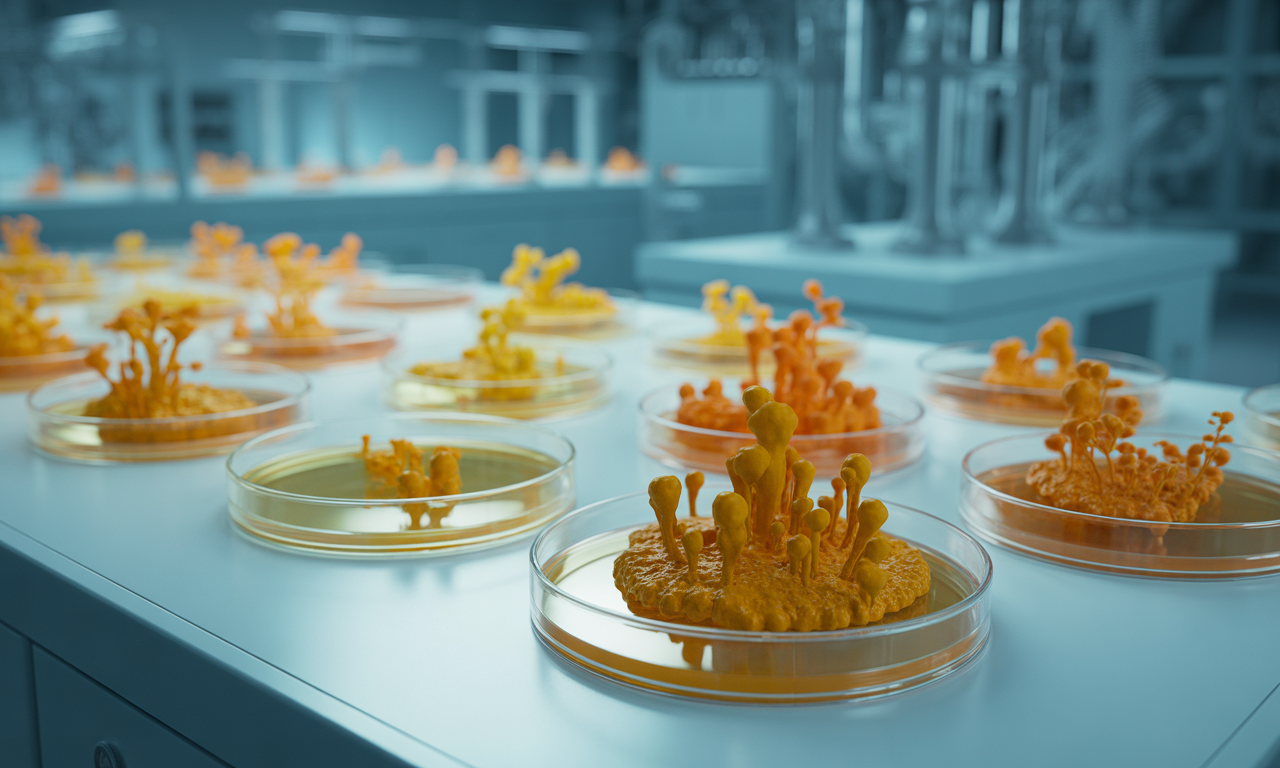
Mold is a type of fungus.
There are:
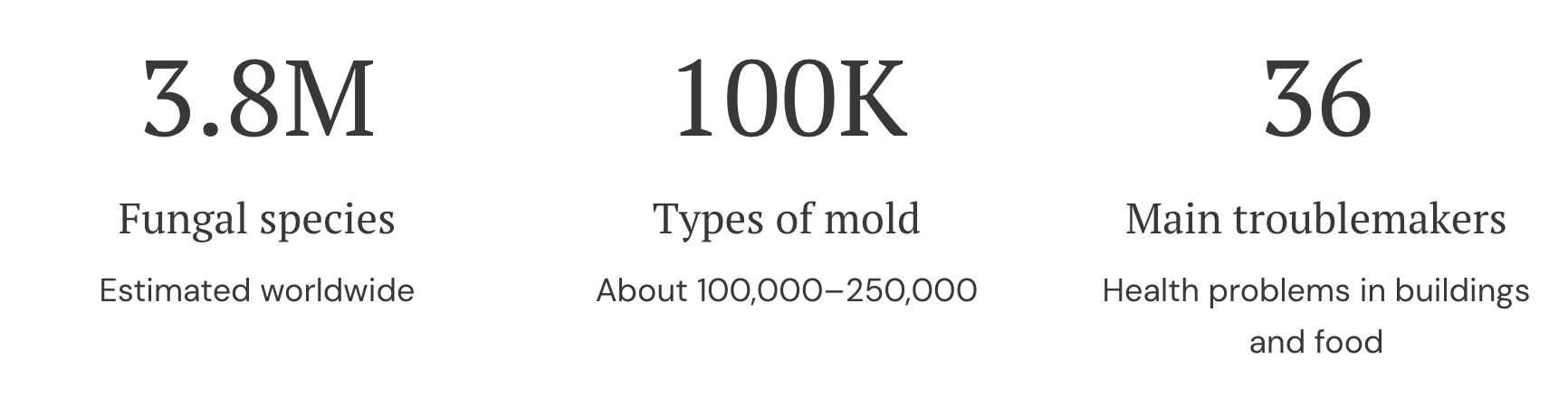
Those 36 mold strains are the ones most commonly tested and associated with human health problems.
Where Mold Lives
Mold spores are literally everywhere. On their own, they're not automatically "bad." They become a problem when conditions allow them to overgrow.
Mold thrives in places with:
Moisture or water damage
Humidity
Poor airflow
Organic material (food, wood, drywall, dust, fabrics, skin cells)
It can grow in:
Homes and apartments (new and old)
Schools, workplaces, gyms
Cars (especially with sunroofs)
Dishwashers, bathrooms, under sinks, behind walls
Here's the scary part:
🏠 Up to 70% of U.S. homes are estimated to have an active mold problem.
And no—you don't always see it. Mold and its toxins are microscopic. Toxins can be as small as 1/100th the thickness of a human hair, and they can move through paint, drywall, and tiny gaps in cabinets.
How Mold Damages Your Body (and Especially Your Gut)
Mold isn't just an "allergy trigger." It's a system-wide disrupter. For people with gut issues, this often shows up as:
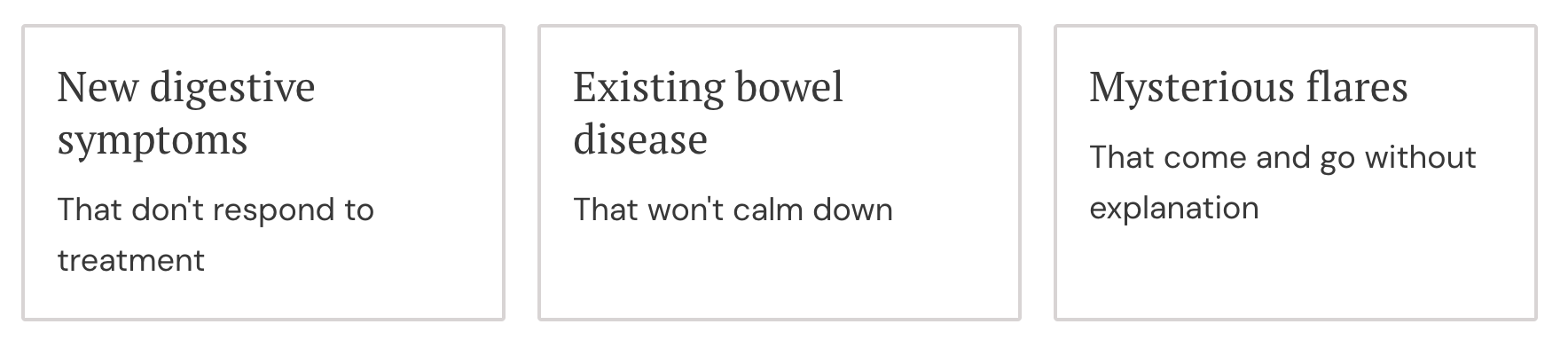
Let's break down the main ways mold hits your system.
1. Mold Damages Your Mitochondria (Energy Production)
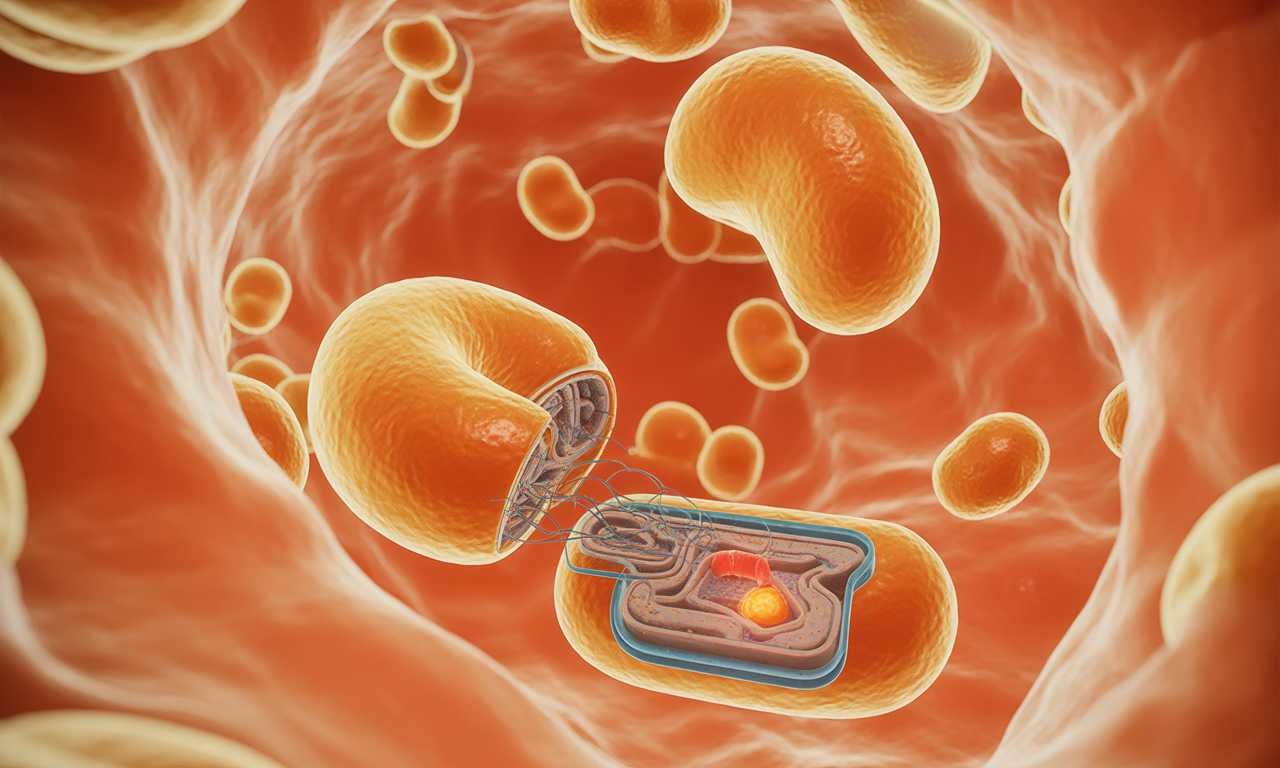
You may remember from high school biology that mitochondria are the "powerhouse" of the cell. They make ATP—your energy currency.
Mold toxins interfere with the electron transport chain, which is how your cells make ATP.
This can lead to:
Crippling fatigue
Muscle weakness
Brain fog and poor focus
Poor detoxification capacity
Oxidative stress and cellular "exhaustion"
When mitochondria slow down, everything slows down—including your gut's ability to heal and your liver's ability to detox.
Three More Ways Mold Destroys Your Gut
1. Mold Damages the Gut Lining ("Leaky Gut")
Mold toxins injure the cells that line your intestines, creating intestinal permeability (often called leaky gut).
This means:
The tight junctions between gut cells open up
Your body pulls water into the gut to try to flush toxins
Over time, this becomes bidirectional—toxins leak from the gut into the bloodstream
Result: chronic inflammation, food reactions, and a hyper-reactive immune system.
Leaky gut is one of the core pillars of autoimmune and immune-mediated disease.
2. Mold Wrecks Your Gut Microbiome
Mold is antibacterial. That's literally how penicillin was discovered—from mold that killed bacteria in a Petri dish.
So when mold overgrows and its toxins build up, they can:
Kill off good gut bacteria
Allow Candida, Clostridia, and other bad guys to thrive
Disrupt the balance of your microbiome
Encourage biofilm formation (a slimy protective layer that hides pathogens)
This sets you up for:
Chronic gut infections
Recurrent SIBO-like symptoms
Poor resilience and frequent flares
3. Mold Hijacks the Immune System (TH2 & TH17)
Mold does two major things to your immune system:
Suppresses certain white blood cells so you can't clear infections properly
Over-activates key inflammatory pathways known as TH2 and TH17
TH2 → histamine-driven symptoms
Rashes, hives
Allergies, runny nose
Phlegm, sinus issues
Palpitations, bloating, brain fog
TH17 → bowel-driven inflammation
Ulcers
Strictures
Fistulas
Bleeding and mucus
This pattern is a perfect storm for:
Crohn's disease
Ulcerative colitis
IBS
Diverticulitis and other inflammatory gut conditions
Importantly: These conditions are now often described as immune-mediated, not truly "autoimmune." Mold is one of the triggers that pushes the immune system into hyper-reactive overdrive.
4. Mold Triggers Neuroinflammation (Brain & Nervous System)
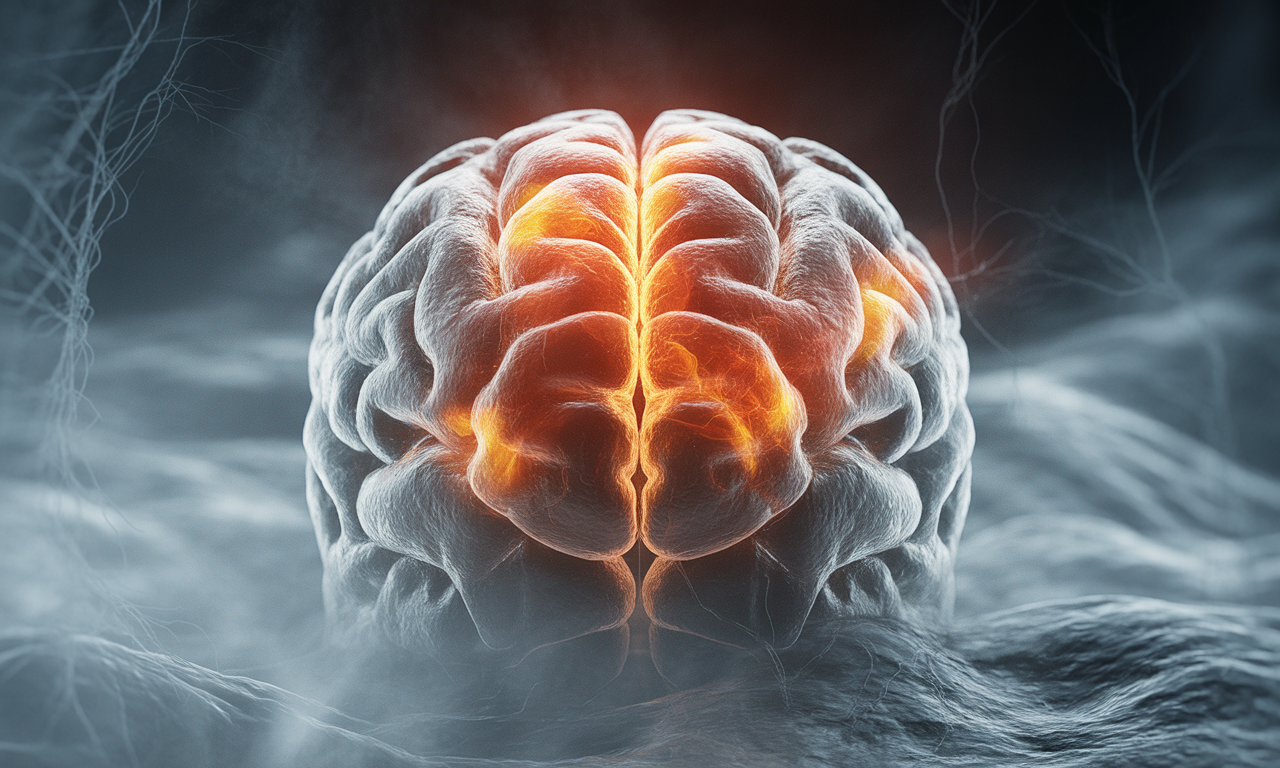
Mold doesn't just stay in the gut. It affects the brain and nervous system too, causing:
Anxiety or depression
Brain fog and memory issues
Headaches and migraines
Light and sound sensitivity
Sensory overload and burnout feeling
Combine that with gut inflammation and immune chaos, and you get the "I'm sick everywhere" feeling so many mold-toxic patients describe.
Josh Dech and his team can help with mold related bowel disease. Click the link below to book a call.
Signs Mold Might Be Driving Your Gut Issues
Every case is unique, but common mold + gut patterns include:
Diagnosed Crohn's / colitis / IBS / diverticulitis that began or worsened after:
Moving homes
Water damage or flooding
Living in a damp basement, dorm, or old house
Gut symptoms PLUS:
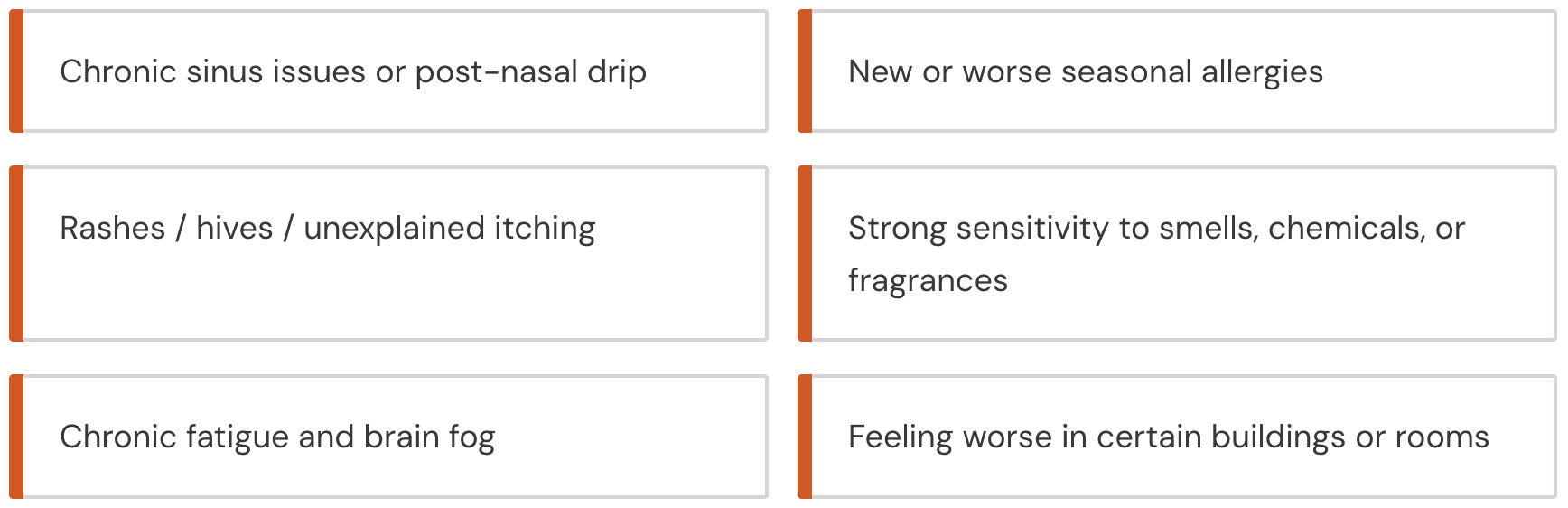
In my practice, among ~500 bowel disease cases:
Roughly 400 had a mold exposure or mold injury as a major player in their illness.
How to Test for Mold (Home and Body)
To really understand mold's role, we look in two places:
Your environment: Where you live, work, study, and sleep
Your body: What your labs and tissues show
1. How to Test Your Home for Mold
Home Mold Testing Options
You don't need a $2,000 inspection right away. You can start simple and scalable.
A. DIY Home Mold Plates (Low-Cost Starting Point)
Search for "home mold test kit" on Amazon
Use the Petri dishes in two ways:
Open-air test: leave open for 1–2 hours, then seal and incubate
Dust swab: swab dust from key areas (bedroom, bathroom, under sinks) and streak plates
Many companies will review photos and give you a basic idea of what's growing
Cost: ~$25–$35
Good for: quick "is there something here?" screening
B. The Dust Test (More Accurate Insight)
I personally like TheDustTest.com (or similar dust-based lab tests).
You:
Collect dust with a Swiffer cloth
Send it to the lab
Get a detailed report of:
Mold species present
Toxin families
Severity of contamination
Cost: ~$275
Good for: serious health cases, ongoing gut disease, or when DIY plates show growth
C. Mold Dog Inspection (Finding Hidden Mold)
If testing shows high mold but you can't see the source:
A mold dog can sniff out mold VOCs (gases) behind walls, floors, cabinets
Especially helpful in new homes (yes, new homes can be mold bombs from wet lumber and poor construction)
Cost: ~$900–$1,500 depending on home size
What About Air Testing?
Traditional quick air tests often miss the real problem. Mold doesn't evenly float around in the air—it hides in dust and behind structures. That's why I lean heavily toward dust-based testing rather than basic air samples.
2. How to Test Your Body for Mold Toxicity
Once we understand your environment, we ask: "Is mold actually affecting your body?"
We can use:
A. Organic Acid Test (OAT)
A urine test that looks at:
Mitochondrial function
Fungal and yeast byproducts
Cellular stress patterns
Useful for seeing the damage mold has done at a cellular level.
B. Mycotoxin Urine Test
Specifically looks for mold toxins your body is excreting.
Caveat: if your detox pathways are very sluggish, this test can sometimes look "clean" even when a problem exists. That's why it's often used alongside other labs.
C. VCS (Visual Contrast Sensitivity) Test
Screens for biotoxin illness (like mold) by testing changes in visual contrast. Often used as a supporting tool.
D. Stool and Microbiome Testing
Shows:
How the microbiome has been disrupted
Mold-associated patterns such as low beneficial flora and overgrowth of certain bacteria or yeasts
E. Symptom Mapping
Lab tests are powerful, but your history and symptoms matter just as much—especially when gut, immune, brain, and environment all line up.
How to Safely Remove Mold From Your System (Big-Picture Roadmap)
This is where most people get into trouble.
They:
Buy a random "mold detox" supplement
Start high-dose binders or "die-off" protocols
End up flaring horribly, especially with bowel disease
Mold detox is not a DIY project—especially if you have Crohn's, colitis, IBS, or diverticulitis.
There are three major categories we have to address:
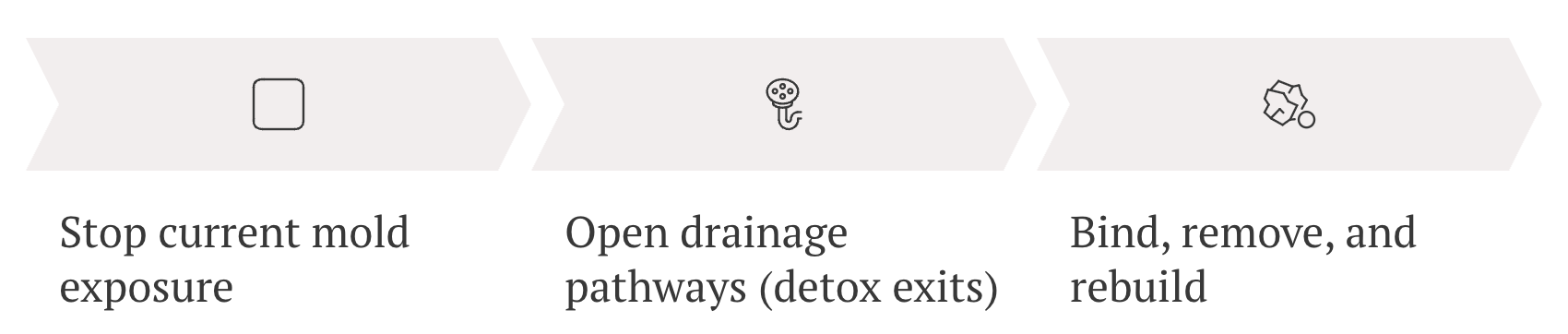
Josh Dech and his team can help you through the steps to healing your gut naturally. Click the link below to schedule a call.
Step 1: Stop Current Mold Exposure
You cannot out-supplement an ongoing mold source.
We need to identify:
External exposure: home, work, school, car
Internal colonization: sinuses, lungs, gut, etc. (mold actually living in you)
We also:
Reduce moldy foods that commonly carry high mold loads:
Cheap coffee (think big-can grocery brands)
Oats and grains
Rice
Peanuts
Some dried fruits
Certain wines
Switching to tested mold-free coffee brands and higher-quality foods helps lighten the load.
Step 2: Drain Before You Detox (Open the Exits)
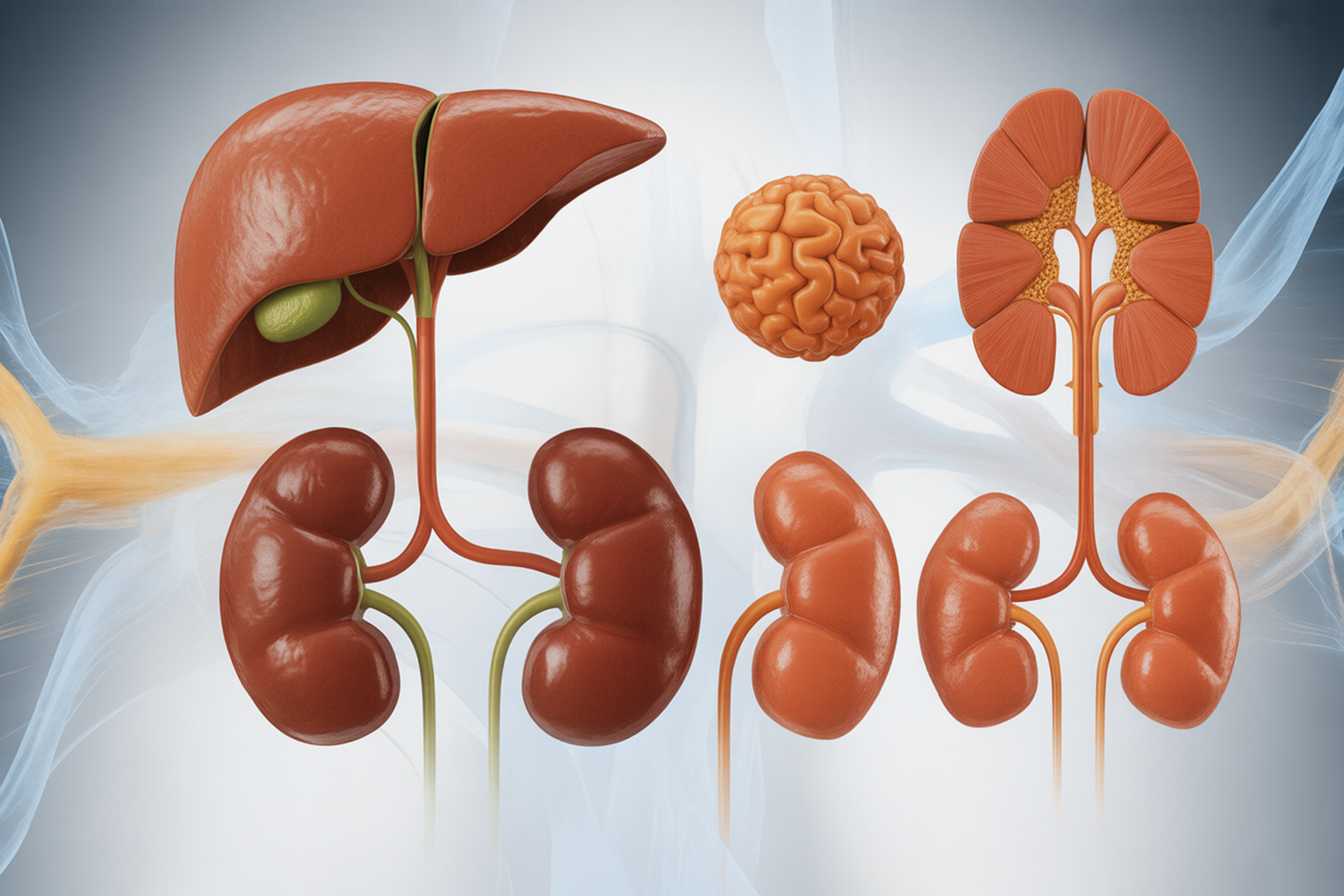
You have seven main detox "doors" in the body:
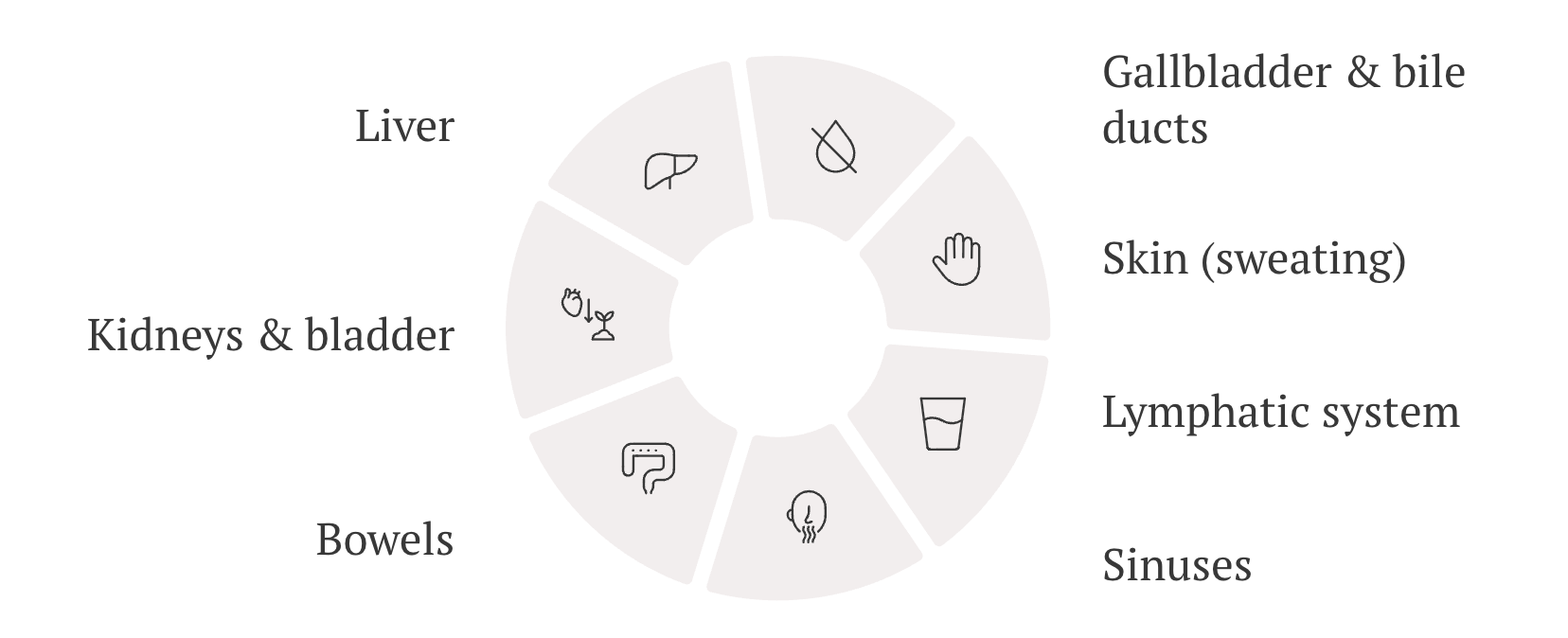
Mold is lipophilic—it binds to fats and bile. Your bile is like a garbage truck for toxins. The problem?
Your body recycles ~95% of bile
If bile is full of toxins and not leaving properly, you recycle mold toxins too
So we first support:
Liver and bile flow
Regular bowel movements
Hydration and kidney function
Gentle lymph movement (walking, rebounding, massage)
Skin detox (sauna, sweating)
Sinus flushing (sometimes with gentle binders added under supervision)
Only once those exits are open do we move to stronger binders or detox strategies.
Step 3: Bind, Remove, Rebuild (The 5R Framework)
After drainage comes targeted removal and rebuilding.
A. Targeted Binders for Mold Toxins
Different mold toxins prefer different binders. Common tools include:
Activated charcoal
Bentonite clay
Zeolite
Chlorella
Modified citrus pectin
Apple pectin, okra, fiber blends
S. boulardii and certain probiotics
Prescription bile acid sequestrants like cholestyramine (advanced, not first-line)
This is where professional guidance is critical—especially with inflamed bowels.
B. Reduce Histamine Load
Because mold drives the TH2 histamine pathway, we often temporarily lower:
Kombucha and fermented drinks
Fermented foods (kefir, sauerkraut, yogurt)
Cured meats
Aged cheeses
Vinegar-heavy foods and condiments
Some high-histamine fruits and veggies (e.g., avocado, spinach)
Canned fish and some dried fruits
This calms the histamine fire while we work on mold and the gut.
C. Remove Co-Infections
Mold-damaged terrain is paradise for:
Parasites
Candida and other fungi
Clostridia
Lyme-related microbes
Viruses like Epstein–Barr
These often have to be addressed in a specific order so the body doesn't get overwhelmed.
D. Repair the Gut Lining and Microbiome
Once the load is lowered, we focus on:
Rebuilding the mucosal lining
Restoring beneficial bacteria
Supporting butyrate and other short-chain fatty acid production
Re-establishing immune tolerance in the gut
E. Rebalance and Rejuvenate the Immune System
Finally, we work to:
Calm down TH2 and TH17 overactivation
Support T-regulatory balance (the "referee" of the immune system)
Bring the body back into a healthier state of immune regulation
I use a version of the classic 5R approach:
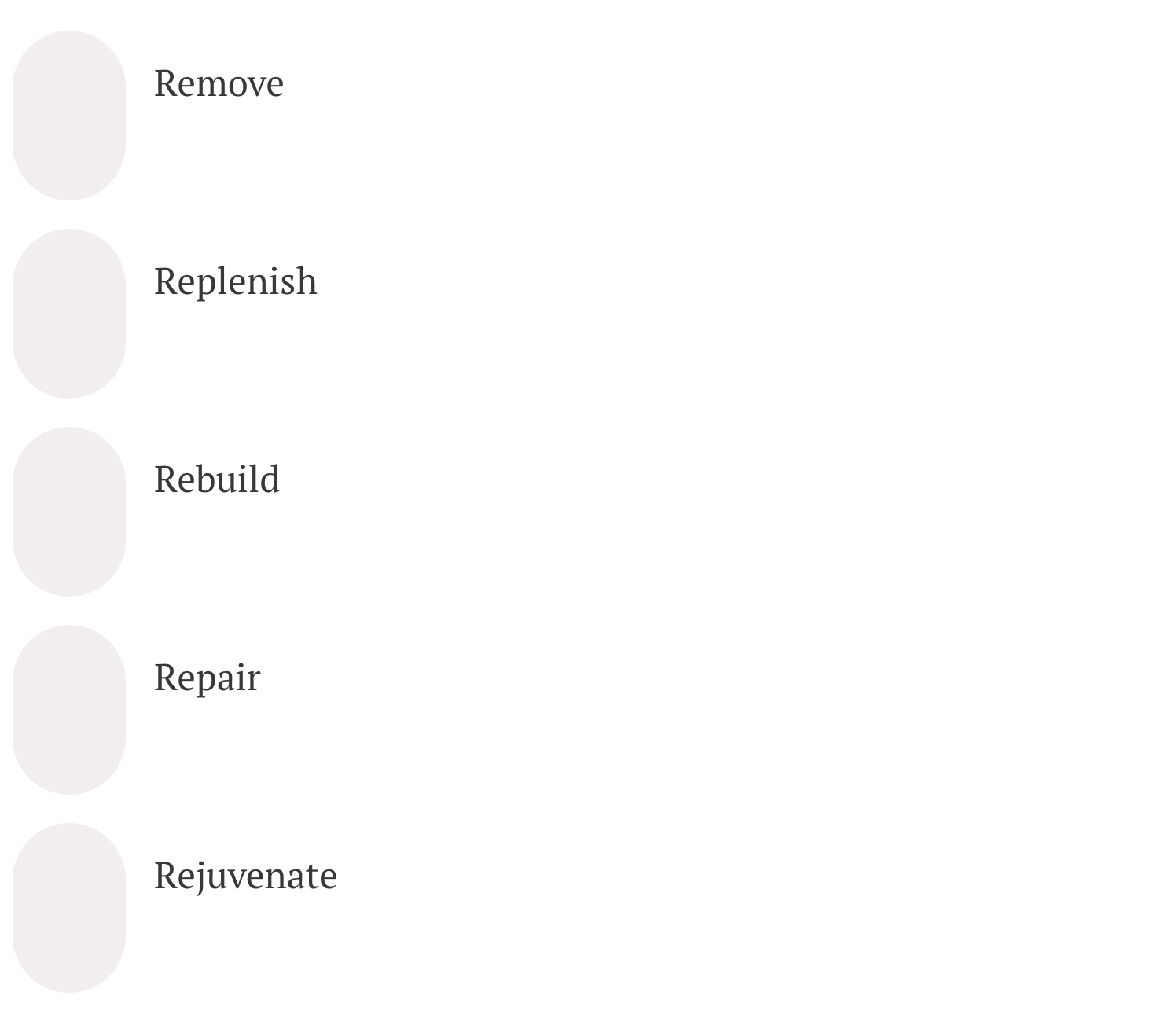
Mold isn't just about "getting it out"—it's about healing what it broke.
Is Mold Fixable? Yes—But Don't Go Solo

Mold is one of the most overlooked drivers of gut disease I see, and it's present in the majority of my Crohn's, colitis, IBS, and diverticulitis cases.
Most conventional doctors:

But that doesn't mean you're stuck.
With:
Proper environmental testing
Thoughtful lab work
A structured drainage → detox → rebuild plan
…people absolutely can recover and, in many cases, reverse "irreversible" gut conditions.
Mold & Gut Health: FAQ
1. Can mold really trigger Crohn's, colitis, IBS or diverticulitis?
Mold can drive the exact immune pathways (TH2, TH17) and leaky gut mechanisms involved in these conditions. It's not always the only cause, but in my practice, it's a major driver in a large percentage of cases.
2. Is there a single "mold blood test" that tells me everything?
No. Mold evaluation usually combines:
Environmental testing (home, work, car)
Urine mycotoxin tests
Organic acid tests
Stool/microbiome analysis
Symptom patterns and history
There is no one perfect test—you triangulate the picture.
3. Can I just take a bunch of charcoal and detox myself?
Please don't—especially if you have bowel disease.
Random binders and aggressive "detox" can:
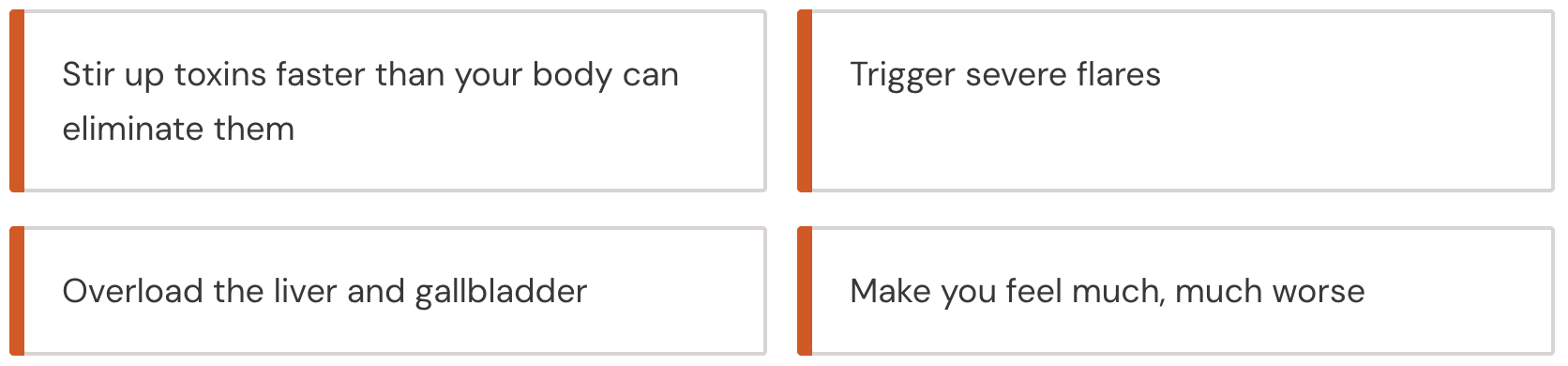
Always work with someone who understands mold + gut disease together.
FAQ: Living Situation & Remediation
4. If my house is moldy, do I have to move?
Not always, but sometimes, yes.
Options can include:
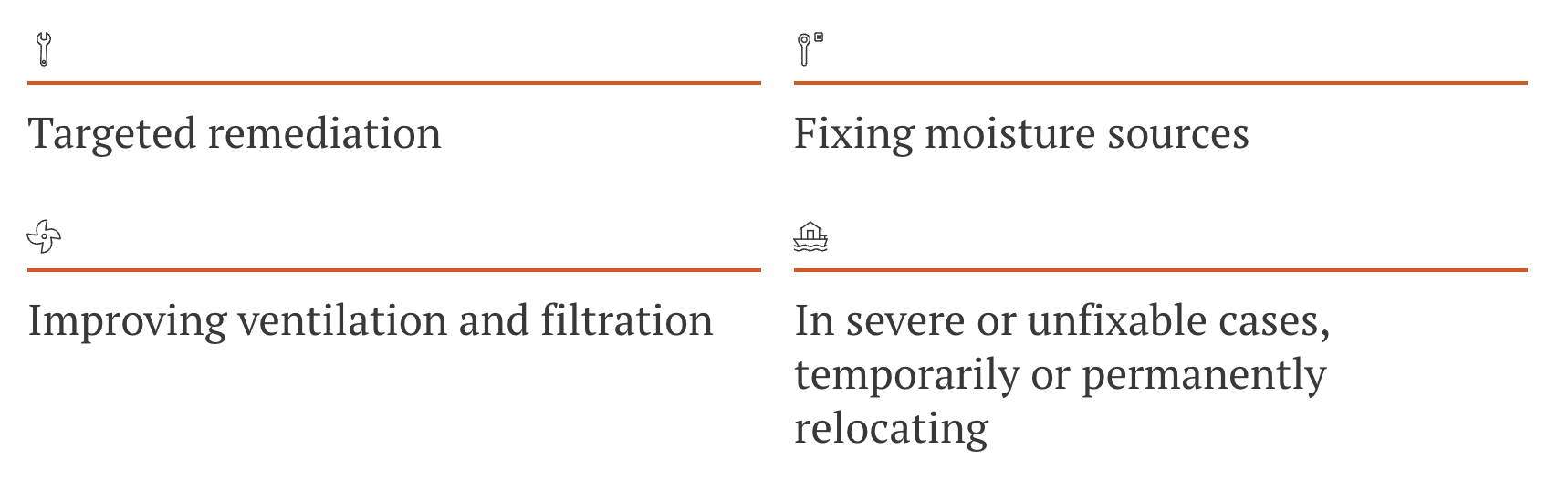
A good mold inspector/remediator and a health practitioner can help you decide.
FAQ: Recovery Timeline
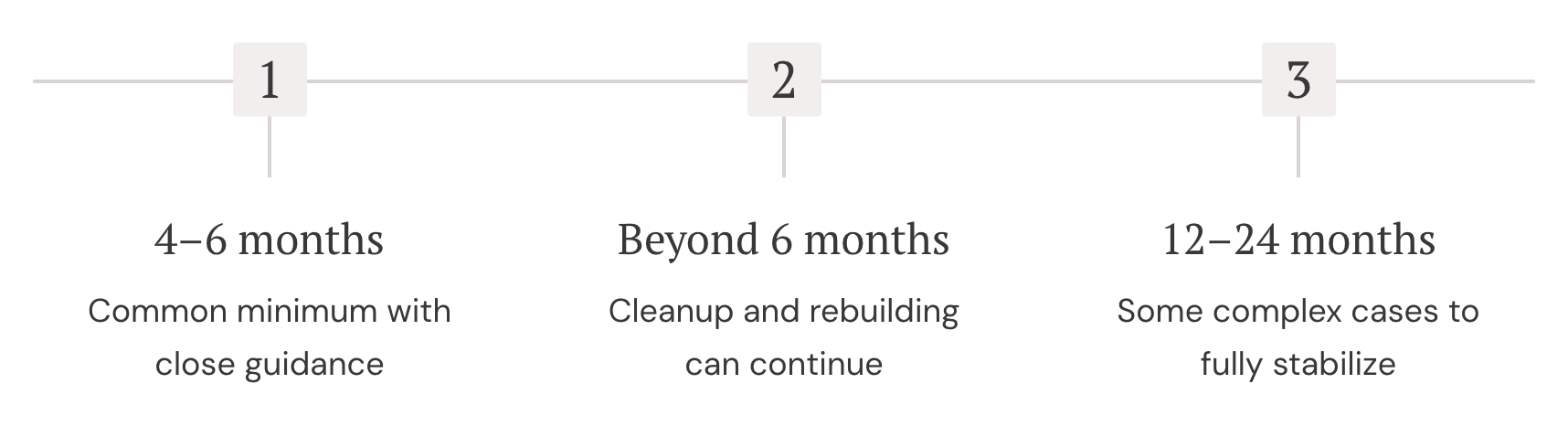
5. How long does mold recovery usually take?
It depends on:
How bad the exposure is
How long it's been going on
The state of your gut and immune system
In my experience with over 500 cases of bowel disease:
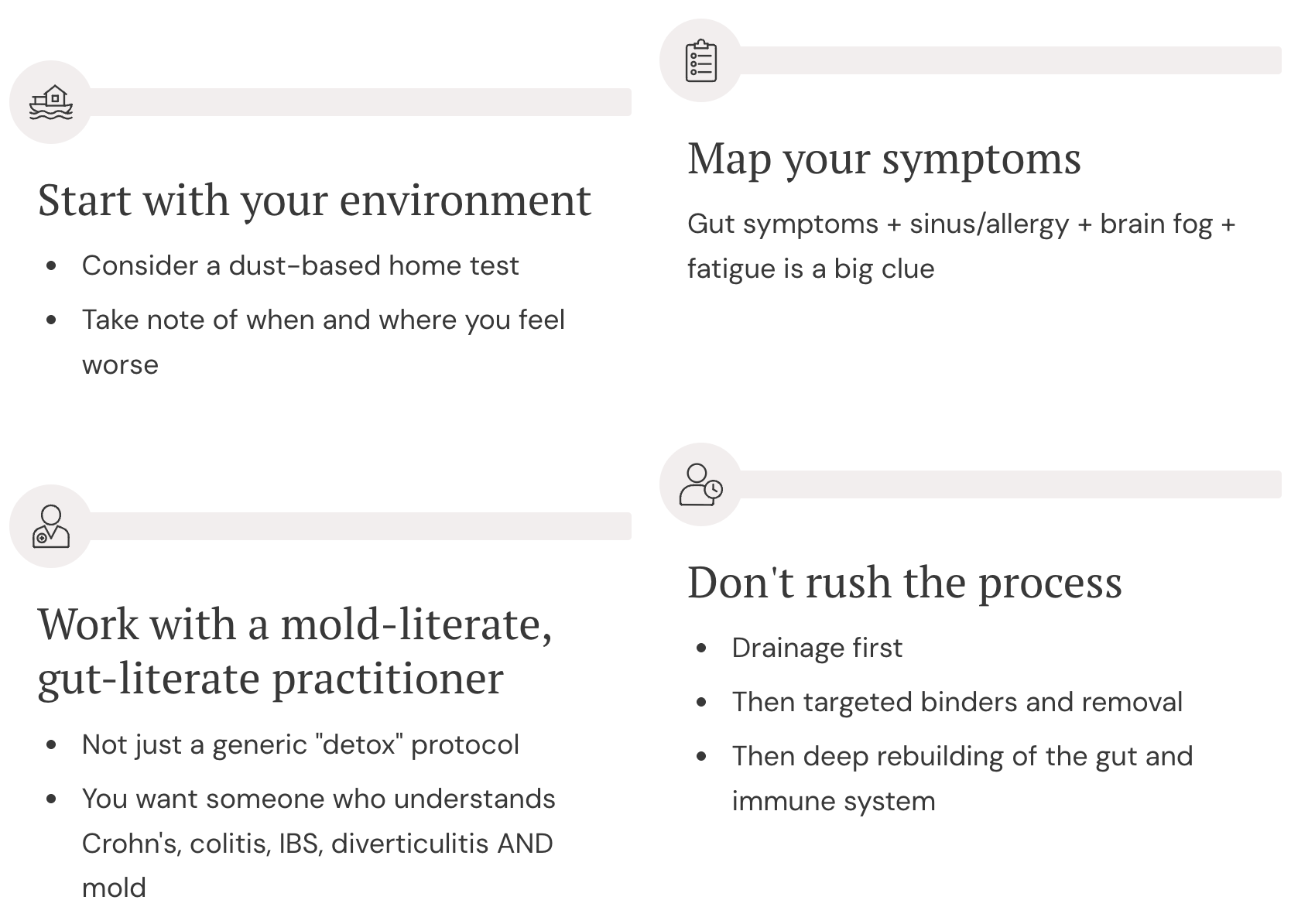
Next Steps If You Suspect Mold Is Driving Your Gut Issues
If you're reading this and thinking, "This is me," here's a simple next-step roadmap:
Recovery is possible. You don't have to live with unexplained gut disease forever.
Want help healing your gut naturally? Book a call with Josh Dech and his team